


 Turntable Accessories
 Headphone Accessories
 Cable Accessories
 Vinyl Accessories
 Compact Disc Accessories
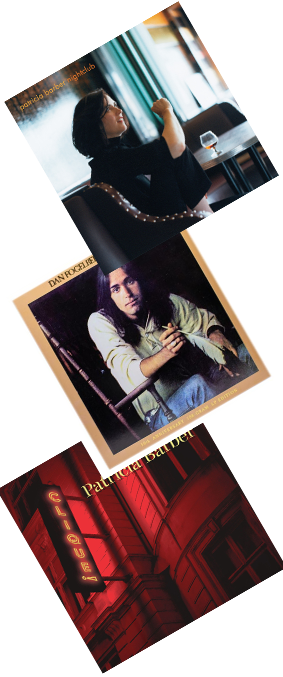

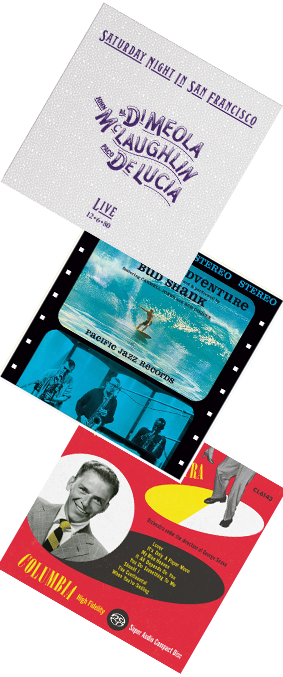
SACD (Showing 2364 Results)
Category Description
Listen to the Best with Super Audio CDs at Elusive Disc
Want to start a fight with your audiophile friend? Tell him that SACD is a dead format, and then sit back and listen to the 5-point argument coming your way. Super Audio Compact Disc, or SACD, is a high-resolution audio disc format that offers more accurate and superior sound reproduction compared to the standard CD format.
Unlock High-Fidelity Listening with the Power of SACD
In an era of compressed streaming and lossy audio files, the Super Audio CD (SACD) is probably the best and most high-resolution format available to serious music lovers. At Elusive Disc, we are committed to offering one of the widest and most carefully curated lists of SACD titles online. Whether a newcomer to the format or a collector with a long history of seeking out SACDs, our selection of titles offers a window of entry into sonic excitement and authenticity that standard CDs simply cannot match.
What is SACD?
SACD, or Super Audio Compact Disc, is a high-resolution optical disc developed by Sony and Philips to deliver significantly improved audio quality compared to CDs. In contrast to conventional CDs, which employ PCM (Pulse-Code Modulation), SACDs utilize DSD (Direct Stream Digital) technology to record audio at a staggering rate of 2.8224 MHz, more than 64 times the rate used by conventional CDs.
Main advantages of SACD:
- Greater dynamic range and smoother frequency response make Super Audio CDs deliver more natural, detailed, and analog-sounding music.
- Multichannel Capability: Most SACDs feature 5.1-channel surround sound, providing a more spatial and immersive listening experience.
- Backward Compatibility: Most SACDs are released as hybrid SACDs, featuring both an SACD layer and a standard CD layer, ensuring compatibility with any standard CD player.
- Long-Term Durability and Stability: SACDs are manufactured to high standards and designed to resist degradation, ensuring long-term stability.
Why You Should Own an SACD Player
In order to utilize all the features of the SACD format to their fullest extent, though, you'll require a dedicated SACD player or a universal disc player with the capability of supporting the format. Although hybrid SACDs are compatible with standard CD players (with normal CD-quality playback), they are exclusively SACD-compatible players that can utilize the high-resolution DSD content.
Most SACD players today are equipped with audiophile-class DACs (digital-to-analog converters), separate power supplies, and chassis structures designed to dampen vibration, all of which contribute to crystal-clear audio output. Investing in a high-quality player will unlock the full range of sonic detail available on these discs.
The Finest Labels in High-Resolution Audio All Together on One Site
At Elusive Disc, we have hundreds of SACD titles available from the industry's most esteemed names. From jazz and classical to rock and contemporary pop, we have something in our SACD selection to elevate the quality of your music listening to a whole new level.
Label Features:
- Impex Records - Impex Records offers superior hybrid SACD releases, featuring outstanding packaging and exceptional sonic quality.
- Mobile Fidelity Sound Lab (MoFi) - They are famous for their high-quality remastering and their limited-edition SACD pressings.
- Analogue Productions - known as the source for fine SACD issues of iconic artists in jazz, classics, blues, and more.
Top SACD Titles to Buy
Whether it's revisiting timeless classics or venturing into fresh sonic territory, all of these SACDs give a taste of what the medium does best:
- Bob Dylan - Blood on the Tracks (MoFi SACD)
Acoustic textures and lyric subtlety are brought to life with a sense of intimacy unlike any other. - Patricia Barber - CLIQUE (Impex Records).
A masterclass in jazz vocal performance preserved with remarkable warmth and rich depth. - Frank Sinatra - Sing and Dance with Frank Sinatra (Impex Records).
Rich in musical texture, this essential Sinatra classic - featuring the swing-style arrangements of George Siravo - marked a pivotal moment in 20th-century pop music history and represented the singer's transition from tender crooner to hip, swinging sophisticate. - Miles Davis - Kind of Blue (MoFi SACD)
A defining record made even more timeless with expansive soundstage and instrument separation.
Hybrid SACD: The Best of Both Worlds
Most of the SACDs we sell are hybrid SACDs, featuring two layers: a high-resolution DSD layer for playback in SACD players and a standard PCM layer compatible with any standard CD player. The two-format configuration provides flexibility, ensuring that your SACD collection plays on multiple playback systems.
Advantages of Hybrid SACD:
- Available on both SACD and CD players
- Perfect to upgrade collections without sacrificing CD playability.
- Format as more integrated SACD players appear on the market
SACD and Surround Sound: Music That Moves Around You
One of the highlights of the Super Audio CD format is the support of multichannel audio. Several titles in our SACD collection feature 5.1 surround sound, creating an all-encompassing listening experience that puts you at the center of the performance.
Whether it's the grand drama of a classical symphony or the intricate arrangements of a progressive rock epic, surround sound SACDs can generate an ambiance that two-channel systems cannot match.
Diversity in Genre: There's Something for Everyone
Our large SACD collection encompasses a vast genre selection. Some best-selling genres are:
- Jazz - From Miles Davis to Bill Evans, experience warm analog-like tones in high resolution.
- Classical - Appreciate symphonies, concertos, and solo compositions with rich timbres and large dynamic range.
- Rock & Pop - Experience the clarity and vitality of The Doors and others in full DSD resolution.
- Blues & Soul - Hear classic performances infused with the soul and grit of Blues & Soul with fresh presence and power.
- Vocal & Jazz Standards - Ideal for intimate and atmospheric listening on high-end systems.
Packaging and Collectibility
Numerous SACDs come with deluxe packaging, extended liner notes, and immaculately crafted booklets, making them more than a listening aid but a collectible work of music history. Whether it's a numbered version by MoFi or a gatefold by Analogue Productions, every SACD contributes to your collection of physical media.
Why Buy SACDs from Elusive Disc?
Elusive Disc: We're more than just a retailer - we're audiophiles ourselves. We understand the passion and exactitude required to bring the ultimate listening experience to life. Here's why Elusive Disc is the trusted source in SACDs:
- A curated selection of trusted brands
- Large selection of hybrid SACD and specialty editions
- Competitive prices and collector's packaging
- Top-notch customer support on SACD players and equipment
- Quick and safe shipping and simple returns
Conclusion: Accept the Supremacy of Super Audio CD
Anything but a "dead format," SACD remains a thriving favorite among audiophiles who expect nothing less than uncompromising audio quality. Whether hearing it for the first time or building on a collection already in hand, the musical impact is undeniable when it's heard as the artist intended. SACD delivers it all, extended resolution, realistic imaging, and three-dimensional depth.
At Elusive Disc, we're firm in our conviction that fantastic music is best served by its best possible format. That is why we've committed to keeping and making available super audio CD titles issued by the world's premier labels. Upgrade your audio, discover your next favorite album, and make fresh musical discoveries with SACD.
Discover our SACD collection today and experience the music you've been missing. SACDs are one of the best-selling music formats after vinyl records here at Elusive Disc.
 FREE SHIPPING